Don't miss our holiday offer - up to 50% OFF!

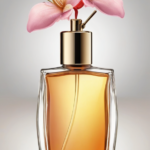
Perfumes Bottles Design
The Art of Perfume Bottle Design: A Blend of Function and Aesthetics
The world of perfume bottle design is a fascinating intersection of function and aesthetics, where art meets utility. These vessels are not just about holding liquid; they tell stories, evoke emotions, and reflect the personality of the fragrance within. Each bottle is carefully crafted to enhance the overall sensory experience of the perfume.
The first aspect to consider in perfume bottle design is functionality. A well-designed bottle ensures that the fragrance is stored safely, protecting it from light and air that can alter its scent. Many materials, such as glass, are commonly used for their ability to create an airtight seal while being visually appealing. Additionally, the shape and mechanics of the bottle are crucial. For example, a spray nozzle can provide a fine mist for even distribution, whereas a roll-on applicator allows for a more targeted application.
From an aesthetic perspective, a perfume bottle can also serve as a piece of art. Designers often draw inspiration from various sources—nature, architecture, or even cultural artifacts. The design choices, such as color, shape, and decoration, can communicate the essence of the fragrance. For instance, a sleek, modern bottle may represent a fresh, contemporary scent, while an ornate crystal design might evoke a vintage, romantic fragrance.
There are several key elements that contribute to effective perfume bottle design:
- Shape: The silhouette of the bottle plays a major role in attracting customers. Unique or unconventional shapes can differentiate a perfume in a crowded market.
- Color: Color selections can elicit emotional responses or reflect the fragrance’s notes. Soft pastels may suggest floral notes, while dark hues might align with muskier scents.
- Material: The choice between glass, plastic, or metal can affect perceptions of luxury and quality. Glass is often preferred for high-end products due to its weight and luster.
- Decoration: Embellishments such as labels, etchings, or metallic elements can elevate the overall presentation, making the bottle more appealing to consumers.
- Functionality: Beyond aesthetic appeal, the practical aspects of how the perfume is dispensed and how easily it can be stored are also essential.
Moreover, the design process for these bottles can be intricate and interdisciplinary, involving collaboration among perfumers, graphic designers, and packaging engineers. Such teamwork ensures that every aspect of the bottle aligns with the fragrance’s identity. A bottle design can also be influenced by marketing strategies, targeting specific demographics or responding to current trends.
A significant trend in recent years has been the rise of sustainable materials. With consumers becoming more environmentally conscious, brands are increasingly opting for eco-friendly packaging options. Biodegradable materials or recycled glass not only appeal to eco-minded customers but also reflect a brand’s commitment to sustainability.
The perfumes on the market today reflect this blend of function and aesthetics beautifully. For instance, some brands offer limited edition bottles that feature artistic designs or collaborations with renowned artists. This not only increases the bottle’s value as a collectible item but also heightens the emotional attachment customers have to the fragrance.
| Element of Design | Impact on Consumer |
|---|---|
| Shape | Attracts attention and creates memorable brand identity |
| Color | Influences emotional response and scent association |
| Material | Communicates quality and luxury |
| Decoration | Enhances shelf appeal and brand storytelling |
| Functionality | Improves user experience and practicality |
As you can see, the art of perfume bottle design goes far beyond mere containment. It encompasses a range of elements that work together to enhance the overall experience for the consumer. By appreciating the craftsmanship behind these bottles, you can find a deeper connection to the fragrances they hold.
Next time you come across a perfume bottle, take a moment to admire its design. You might just discover how its aesthetics and functionality beautifully blend to create a unique sensory journey.
How Perfume Bottle Design Influences Consumer Choices
Perfume bottle design plays a vital role in how consumers choose fragrances, often influencing their perceptions and purchase decisions. With so many scents available, the visually appealing design of a bottle can catch the eye and create an emotional connection. This article dives into the various ways perfume bottle design shapes consumer choices.
First Impressions Matter
When you walk into a store, one of the first things you notice is the display of perfume bottles. Their shapes, colors, and overall aesthetics draw you in. A beautifully designed bottle can stand out in a crowded market. Consider the following:
- Shape: Unique and creative shapes can evoke curiosity. For example, a bottle that resembles a diamond may attract those searching for luxury.
- Color: Color psychology plays a role. Bright, vibrant colors can evoke feelings of joy, while darker shades might attract those looking for something mysterious.
- Materials: Glass, plastic, or metal bottles each convey different messages. Glass is often associated with quality and elegance, whereas plastic may seem more casual.
These factors contribute to the first impression you get, which can significantly impact your desire to explore the fragrance further.
Emotional Connections
The design of a perfume bottle can also trigger emotional responses. For example, vintage-inspired bottles may remind consumers of cherished memories. The nostalgia associated with certain designs creates an emotional bond, making consumers more likely to choose that particular fragrance.
Brand Identity
Perfume brands invest heavily in their bottle designs to reflect their identity and ethos. A creative bottle acts as a physical representation of the brand’s story and values. Here are some ways design influences brand identity:
- Luxury Brands: High-end brands often opt for intricate, lavish designs that convey exclusivity. Think of brands like Chanel and Dior, which use elegance to signify sophistication.
- Eco-Friendly Brands: Brands focused on sustainability may use recycled materials or minimalist designs to reflect their commitment to the environment.
- Young and Trendy Brands: Brands targeting younger consumers might use bold colors and funky shapes to create a sense of fun and energy.
Through their design choices, brands carve out their niche and communicate their unique selling points.
Functional Aspects
While aesthetics are essential, the function of a perfume bottle also matters. A well-designed bottle not only looks good but is also easy to use. Here are some functional elements that consumers appreciate:
- Spray Mechanism: A high-quality spray nozzle can ensure an even distribution of the fragrance, enhancing the user experience.
- Size: Offering different sizes can attract a broader audience. Smaller bottles are perfect for travel, while larger sizes appeal to dedicated fans of a scent.
- Closure: A secure cap ensures the fragrance lasts longer and prevents spillage, which is a consideration for consumers.
Trends in Perfume Bottle Design
Design trends change over time, reflecting cultural shifts and consumer preferences. Some noteworthy trends include:
- Minimalism: Simple, clean designs that focus on the essence of the product are becoming more popular.
- Customization: Personalized or limited-edition bottles allow consumers to feel special, enhancing their connection to the product.
- Artisan Collaboration: Brands are collaborating with artists to create unique, collectible bottle designs, appealing to consumers’ desire for exclusivity.
Ultimately, perfume bottle design transcends mere aesthetics; it plays an integral role in influencing consumer choices. From evoking emotions to reflecting brand identity, the design elements all contribute to a fragrance’s overall appeal. When selecting a scent, remember that the bottle is often the first thing you notice. It could very well lead you to discover your next favorite fragrance.
Conclusion
Perfume bottle design plays a crucial role in the overall appeal of a fragrance, merging functionality with artistry. Each bottle serves not just as a container, but as an extension of the scent it holds. Designers meticulously consider shape, color, and materials to create an aesthetic that resonates with potential buyers. The unique bottle design captures attention on shelves, inviting exploration and enticing consumers to experience the scent inside.
Moreover, the design of perfume bottles significantly influences consumer choices. A beautifully crafted bottle can evoke emotions, resonate with personal style, and even become a conversation piece, impacting buying decisions. Consumers often associate the quality of a fragrance with the elegance of its packaging. In many cases, a well-designed bottle can enhance perceived value, encouraging customers to pick it over less attractive options, despite similar fragrance notes.
The intricate balance between art and practicality in perfume bottle design highlights its importance in the fragrance industry. As you navigate the world of perfumes, take a moment to appreciate the creativity and thought that goes into each vessel. Whether you are a casual buyer or an avid collector, remember that the beauty of a perfume bottle adds another layer to the overall fragrance experience. It is not just about the scent; it’s about the story the bottle tells and the emotions it captures, which ultimately makes your selection a more personal journey.