Don't miss our holiday offer - up to 50% OFF!

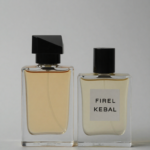
Perfumes Photo
The Art of Capturing Perfumes in Photography: Techniques and Tips
Capturing the essence of perfumes through photography is a unique and creative challenge. The delightful blend of scents and visual elements creates an opportunity to represent fragrances in a way that engages the viewer’s senses, even before they take a whiff. To elevate your perfume photography, consider various techniques and tips aimed at making each shot captivating and vibrant.
Understanding the Mood
Every perfume has a personality that reflects its aromatic profile. It’s vital to think about the mood you want to convey through your images. Here are some aspects to consider when aligning the visual representation of your perfumes:
- Fragrance Notes: Consider whether the scent is floral, woody, or spicy. Each category can influence the color palette and styling of your shoot.
- Target Audience: Who is the end user? Tailor the visuals to resonate with the target demographic, whether it’s youthful and playful or sophisticated and elegant.
- Storytelling: Build a narrative around the perfume. Think about how you can visually express the emotional journey that comes with the fragrance.
Setting Up the Shot
To effectively showcase perfumes, pay close attention to your shooting environment. Here are some techniques to create a visually appealing setup:
- Background Selection: Opt for background colors that complement the perfume’s bottle or label. Soft pastels can elevate floral scents, while dark tones can amplify more mysterious fragrances.
- Lighting: Natural light is often your best friend in such photography. Use diffused sunlight to avoid harsh shadows and capture the intricate details of the bottle. Alternatively, softbox lighting can create a studio feel to your images.
- Props and Accessories: Curate props that fit the scent’s theme. Floral arrangements may enhance a light floral fragrance, while gemstones or metallic elements may accentuate a more luxurious scent.
Focusing on the Bottle
The perfume bottle is not just a container; it’s often a piece of art that deserves attention. Here are ways to highlight the bottle:
- Close-Up Shots: Use a macro lens to capture the intricate details of the bottle’s design, such as etchings or the texture of the materials.
- Angle Variations: Experiment with different angles. A side view might showcase the bottle’s silhouette, while a top-down shot can provide a unique perspective.
- Reflections and Transparency: Play with reflections in glass surfaces or create a dreamy effect using semi-transparent materials around the bottle.
Editing for Impact
Post-processing is crucial in enhancing your perfume photos. Basic adjustments can dramatically improve the final look:
- Color Correction: Make sure the colors are true to life. Adjust the whites, blacks, and overall exposure to add depth.
- Sharpness: Boost sharpness selectively to highlight the bottle’s details while keeping the background soft.
- Add Filters Wisely: Filters can create moods. However, avoid overusing them; subtlety is key for portraying perfumes authentically.
Engaging Your Audience
After crafting stunning images, think about how to share them effectively. Here are some strategies:
- Social Media Platforms: Use platforms like Instagram and Pinterest, which thrive on visual content. Create themed collections to prompt engagement.
- Storytelling Captions: Pair each image with a story or description that explains the fragrance’s inspiration, notes, or usage occasions.
- Interactivity: Encourage your followers to share their perfume experiences or ask them which scents evoke particular memories.
By applying these techniques and insights, your perfume photography will not only be visually striking but will also evoke the emotions tied to fragrances, inviting viewers to dive deeper into the world of scent. Experiment, be creative, and watch as your photographs captivate audiences and enhance their appreciation for the art of perfume.
The Impact of Scent on Visual Representation in Marketing Perfumes
Marketing perfumes involves more than just the scent; it requires a deep understanding of how visual representation influences consumer perception. The interplay between scent and images is crucial in creating a memorable brand experience. With the right visual elements, brands can evoke emotions, memories, and desires associated with their fragrances.
One of the most substantial impacts of scent on visual representation is how consumers relate to the brand’s identity. When you consider a fragrance, your mind often races with images that correspond to the scent. A fresh, floral perfume might conjure images of blooming gardens, sunny days, or joyful moments, while an earthy musk might transport you to tranquil forest settings. These associations are not accidental; they are carefully crafted by marketers.
To illustrate how scent influences marketing visuals, here are a few key elements that come into play:
- Color Psychology: Colors evoke specific feelings and thoughts. For example, soft pinks and whites often represent femininity and romance, making them popular choices for floral perfumes. Darker colors like deep purple or black may suggest luxury and mystery, appealing to a more sophisticated audience.
- Imagery: The use of pictures in advertising can create a narrative that aligns with the fragrance’s essence. If a perfume is marketed as a summer scent, images of beaches, vacations, and daytime parties can create a vivid story that resonates with potential buyers.
- Typography: The font style can evoke a certain feeling that matches the fragrance’s message. Bold, modern fonts may suggest innovation and youth, while elegant scripts may convey classic beauty and tradition.
Brand visuals are vital in establishing a connection. When a consumer looks at a perfume bottle, the design and packaging heavily influence their purchase decision, often even before they smell the fragrance. For instance, a beautifully designed bottle can attract attention on a store shelf and trigger curiosity, driving home the idea that the scent inside is equally luxurious.
Let’s consider some statistics to emphasize the importance of visuals in perfume marketing. According to a study conducted in 2022 by the International Fragrance Association:
| Visual Element | Impact on Purchase Decision (%) |
|---|---|
| Color Scheme | 38% |
| Bottle Design | 45% |
| Imagery Used | 37% |
| Typography | 30% |
These figures highlight that a significant portion of purchase decisions hinges on visual elements. In essence, engaging visuals serve as the first step toward making a scent memorable. This reinforces the connection between scent and visual representation. By aligning your imagery with the fragrance’s essence, you encourage consumers to form emotional ties to the product.
Another layer impacts consumer behavior—the trend towards social media marketing. With platforms like Instagram, visual content is king. Beautifully curated perfume photos can create buzz, drawing attention to new launches or seasonal collections. Here, it’s not just about the scent; it’s about how well the perfume is visually presented to create intrigue and excite potential buyers.
Moreover, user-generated content plays a massive role. When customers share their own photos of a perfume, several benefits come into play:
- Authenticity: People trust images shared by their peers far more than brand-generated content.
- Community:** When they see others engage with a fragrance, they feel encouraged to try it themselves.
- Social Proof: User-shared images can create a sense of desire and exclusivity.
Bringing it all together, the impact of scent on visual representation is profound in perfume marketing. It’s essential to harness the power of color, imagery, typography, and consumer-generated content. Understanding how these elements interact with scent helps brands not only create appealing visuals but also build a meaningful connection with their audience. Your sense of smell is a critical part of how you perceive your world, and marketers must remember that visuals can significantly enhance that experience.
Conclusion
Mastering the art of capturing perfumes in photography requires a blend of technical skills, creativity, and an understanding of how scent influences visual representation. By utilizing techniques such as natural lighting, props that evoke the fragrance, and careful composition, you can create stunning images that resonate with viewers. The right photograph not only showcases the product itself but also invites potential customers to experience the essence of the scent through imagery.
Moreover, the impact of scent on marketing cannot be overlooked. Visual representation plays a crucial role in evoking emotions and memories associated with certain fragrances. When you pair an enticing image with the right messaging, you cultivate a deeper connection with your audience. This connection is vital in the competitive world of perfume marketing, where memorable visuals can set a brand apart from the rest.
Ultimately, effective photography of perfumes transcends mere product presentation; it tells a story, creates a mood, and evokes the enchanting qualities of the fragrance itself. This story can be told through not only the image but also the colors, textures, and context in which the perfume is placed. By embracing these artistic techniques and understanding the relationship between scent and visual appeal, you enhance your ability to enchant potential customers and inspire them to delve deeper into the world of fragrance. The result is a compelling blend of imagery and emotion that drives interest and sales, making the art of perfume photography an invaluable part of any marketing strategy.