Don't miss our holiday offer - up to 50% OFF!

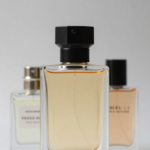
Perfumes Vs
Perfumes vs. Cologne: Understanding the Key Differences
When it comes to fragrances, you might often hear the terms “perfume” and “cologne” thrown around, sometimes interchangeably. However, understanding their key differences can enhance your fragrance experience and help you choose the right scent for various occasions. Whether you’re looking to express yourself with a bold scent or want something subtle for daily wear, knowing the distinctions can significantly impact your choice.
The primary difference between perfume and cologne lies in the concentration of fragrance oils. This concentration determines not only the strength of the scent but also how long it lasts. Here’s a breakdown of the common types of fragrance categories:
- Perfume (or Parfum): Contains 20-30% fragrance oil. This is the most concentrated type and offers a rich, long-lasting scent that can last up to 24 hours.
- Eau de Parfum: Has a concentration of about 15-20% fragrance oil. This type lasts longer than cologne, usually around 6-12 hours.
- Eau de Toilette: Generally features 5-15% fragrance oil, providing a lighter scent that lasts around 4-8 hours.
- Cologne: Contains 2-5% fragrance oil, making it the lightest and most fleeting scent, typically lasting up to 4 hours.
This notable difference in strength means that if you prefer a scent that lasts through a long day or evening out, a perfume or eau de parfum would be more suitable. On the other hand, cologne is ideal for a fresh touch throughout the day, especially in warmer weather.
Another aspect to consider is the scent profiles. Perfumes tend to have a broader range of complex notes, allowing them to evolve over time. They often encompass a blend of top, middle, and base notes that contribute to their depth. For instance, a perfume might start with fresh citrus, transition to floral or spicy heart notes, and settle into a rich, warm base.
In contrast, colognes often feature simpler notes. They tend to have a lighter, more refreshing quality, focusing on top notes that make an immediate impression. This makes colognes an excellent option for casual settings or daytime wear, while perfumes are usually reserved for special occasions or evening events.
Here’s a simple comparison of these two types:
| Aspect | Perfume | Cologne |
|---|---|---|
| Concentration | 20-30% | 2-5% |
| Longevity | Up to 24 hours | Up to 4 hours |
| Scent Profile | Complex, evolving | Simple, straightforward |
| Suitability | Evening/Occasion | Casual/Daytime |
Choosing between perfume and cologne often comes down to personal preference and the context of use. If you enjoy richness and want a scent that lingers, opt for perfume. Conversely, if you prefer something light and refreshing for everyday use, cologne is likely your best choice.
Another important factor is the brand. Some fragrance houses offer distinctive interpretations of what constitutes perfume and cologne. High-end brands may have their unique formulations that might blur the lines between these categories. Testing various fragrances can be a joyful experience, and it’s a worthwhile endeavor to discover scents that resonate with your personality.
When considering seasonal changes, it’s worth noting that lighter scents, like colognes, often shine in warmer months. In winter, scents with more depth and warmth from perfumes can be particularly inviting, complementing the season. Having a versatile fragrance wardrobe allows you to adapt to various occasions and moods.
In the world of fragrances, preferences are highly subjective. Your choice between perfume and cologne should reflect not only your style but also how these scents make you feel. As you explore different options, remember that the right fragrance can enhance your confidence and express your individuality.
Ultimately, whether you lean toward perfumes or colognes, the possibilities are endless. Armed with the knowledge of their differences, you’re well on your way to finding your signature scent with ease.
Perfumes vs. Natural Scents: The Debate on Artificial Fragrances
When it comes to scents, the debate between perfumes and natural scents often leaves consumers pondering their options. Perfumes are typically crafted with synthetic compounds, while natural scents derive from organic materials. Both types of fragrance have their unique appeal, so let’s dive into the pros and cons of each to help you make a informed choice.
Understanding Perfumes
Perfumes, often referred to as fragrances, are created using a blend of synthetic and natural compounds. These contain a mixture of chemicals designed to create an appealing scent profile. Some benefits of using perfumes include:
- Long-lasting Fragrance: Most perfumes are designed to last longer than natural scents, with a higher concentration of fragrance oil.
- Variety of Options: The range of synthetic ingredients allows for a wider array of scent profiles that may not exist in nature.
- Stability: Synthetic compounds tend to be more stable, ensuring that the scent remains consistent over time.
Exploring Natural Scents
Natural scents, on the other hand, come from plants, flowers, and other natural sources. Essential oils are a common form of natural fragrance, extracted through distillation or cold pressing. The advantages of natural scents include:
- Eco-Friendly: Natural scents often have a smaller environmental footprint as they utilize organic materials and fewer chemicals.
- Gentle on Skin: Many find that natural scents are less likely to cause allergic reactions compared to their synthetic counterparts.
- Therapeutic Benefits: Some natural scents offer aromatherapeutic properties, enhancing mood and well-being.
Perfumes vs. Natural Scents: Key Differences
To help you understand the fundamental differences, here’s a comparison chart of perfumes and natural scents:
| Feature | Perfumes | Natural Scents |
|---|---|---|
| Ingredients | Primarily synthetic compounds | Derived from natural sources |
| Longevity | Long-lasting, often 8-12 hours | Shorter duration, typically 4-6 hours |
| Allergens | May contain allergens | Generally fewer allergens |
| Variability | Wide range of complex aromas | Limited to available natural scents |
Choosing the Right Fragrance
Your choice between perfumes and natural scents should reflect your personal preferences and lifestyle. Consider the following factors:
- Skin Sensitivity: If you have sensitive skin or allergies, natural scents may be the best option.
- Longevity Needs: For long-lasting wear, perfumes often outperform natural fragrances.
- Environmental Impact: If eco-friendliness is important to you, opt for natural scents sourced sustainably.
Trends in the Fragrance Market
With growing awareness about sustainability and health, there has been an upsurge in the popularity of natural scents. Consumers are demanding transparency from manufacturers, seeking products that are both safe and environmentally friendly.
Crafting your fragrance strategy involves knowing these trends. Many companies now blend the two, offering hybrid products that incorporate both natural and synthetic elements to create a balanced scent experience.
Your Scents, Your Way
Ultimately, whether you choose perfumes or natural scents comes down to what resonates with you. Experiment with both to discover your favorite types. Take the time to visit local fragrance shops, sample different smells, and see how they interact with your body chemistry. In the end, the best scent is the one that makes you feel confident and joyful.
Conclusion
Choosing between perfumes and cologne can feel overwhelming, but understanding the key differences helps simplify the decision-making process. Perfumes typically offer a stronger concentration of fragrance oils, leading to a more intense and lasting scent, while colognes provide a lighter and often fresher aroma, perfect for everyday wear or casual settings. If you prefer a bold scent that lingers, perfumes are likely your best bet. For those who enjoy a more subtle touch, cologne has you covered.
Additionally, the debate between perfumes and natural scents raises important considerations about personal preferences and health. While artificial fragrances can be captivating, many people are turning to natural scents for their purity and skin-friendliness. Natural fragrances are often derived from botanical sources, providing unique aromas without the risk of irritation that some may experience from synthetic ingredients.
Ultimately, your choice between perfumes, cologne, or natural scents should align with your personal style, lifestyle, and values. Whether you lean towards a vibrant, long-lasting perfume, a light and refreshing cologne, or a soft embrace of natural aroma, each option offers distinct qualities to express yourself. Listen to your instincts, and don’t hesitate to explore different scents to discover what resonates with you. Your fragrance is more than just a scent—it’s a reflection of who you are. Embrace this journey of exploration, and let your chosen fragrance tell your unique story.